
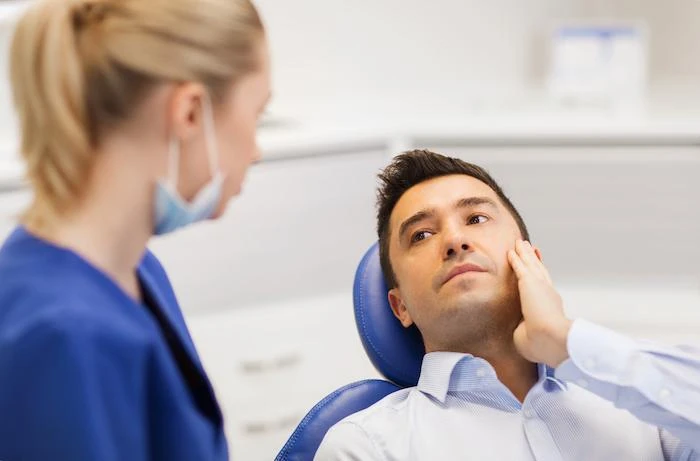
Pain when you bite down or chew can make it hard to eat and reduce your quality of life. Pinpointing why you have pressure tooth pain can be the first step to treatment.

If you practice good oral hygiene at home, you may be tempted to skip your biannual dentist visit. However, there are some things only a dentist can do. Regular in-office cleanings are necessary to prevent tartar buildup, identify potential problems, and catch cavities before they become toothaches. Prevention is easier than treatment, and dental cleanings should be part of your normal health care routine.
At Margaret Culotta-Norton, DDS, PC, in Washington, DC, Dr. Margaret Culotta-Norton and Dr. Peter Grinc provide dental cleanings and other dentistry services to help keep your mouth and body healthy and your smile intact.
Skipping dental cleanings is a slippery slope. Just one missed appointment can mean tartar buildup below the gum line and the start of periodontal disease. A cavity can become rapidly worse in less than a year, and a cracked or chipped tooth can deteriorate.
The time invested in making and keeping your dental appointment could mean you avoid the discomfort (and expense) of a more serious dental problem, like needing a root canal, an extraction, or gum disease treatment.
It only takes a few minutes to make an appointment, and a few hours to keep it. Stacked up against the pain, time, and costs of extensive dental work later, it’s an easy choice to make.
By getting your teeth cleaned every six months, you can ward off a host of potential issues and help safeguard your general health as well. Studies show that good oral health can help lower the risk of heart attack and stroke, and improve other areas of health as well, from your lung function to your blood sugar levels. Keeping your mouth bacteria-free is just good for you, period.
Besides the general health benefits, your dental cleaning is a chance for your dentist to look for any issues with your teeth or gums. A twice-annual checkup can spot cavities before they reach the tooth root, investigate for signs of oral cancer or other diseases, and verify your teeth are still properly aligned and your bite is functional.
If you’ve been keeping up with your at-home oral hygiene regimen, your dental cleaning should be no big deal. We’ll check to see if you’re due for any radiographs, a hygienist will thoroughly clean your teeth, and your dentist will do a quick check for any signs of decay or disease. Then you’ll have a clean bill of oral health for another six months.
Skipped your last appointment? No problem, no judgment, and no worries. We’ll get you caught up and back on track, and if you’re anxious we can help with that too. Just let us know your concerns when you book your appointment.
You can schedule a dental cleaning by calling , or visit the contact page for more information.
You Might Also Enjoy...
Pain when you bite down or chew can make it hard to eat and reduce your quality of life. Pinpointing why you have pressure tooth pain can be the first step to treatment.

A less-than-perfect smile can give you self-confidence or self-esteem issues. Fortunately, veneers can cover a multitude of imperfections.

When a tooth needs more than a filling but doesn’t require extraction, a dental crown may be required to complete a restoration and provide a stable chewing surface.
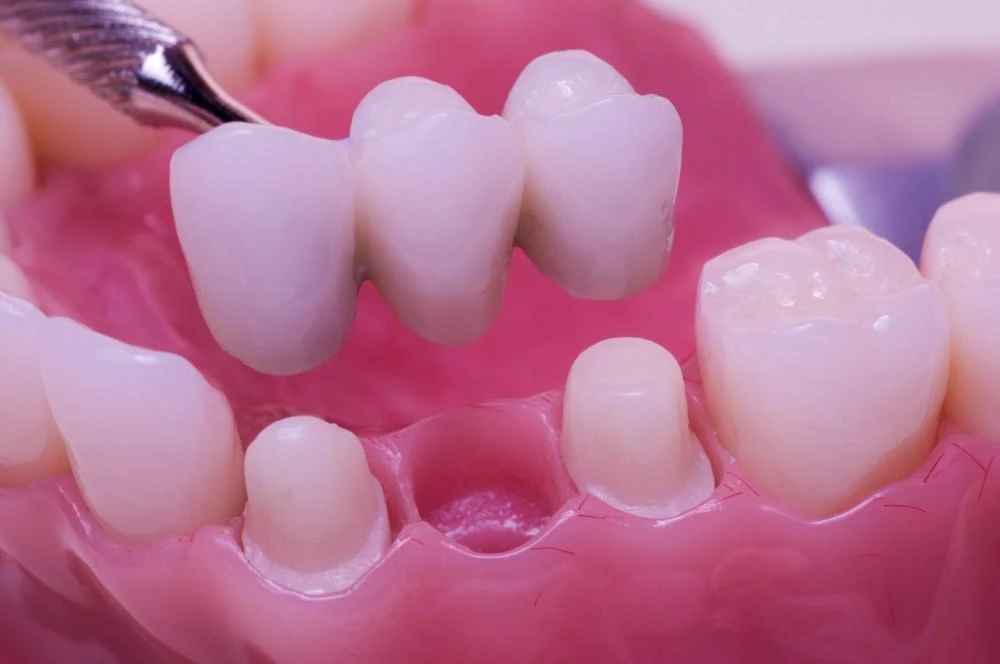
A lot of decision-making goes into replacing lost teeth. Once you’ve decided on getting dental bridges, you have to consider what type will work best for your specific tooth-replacement needs.
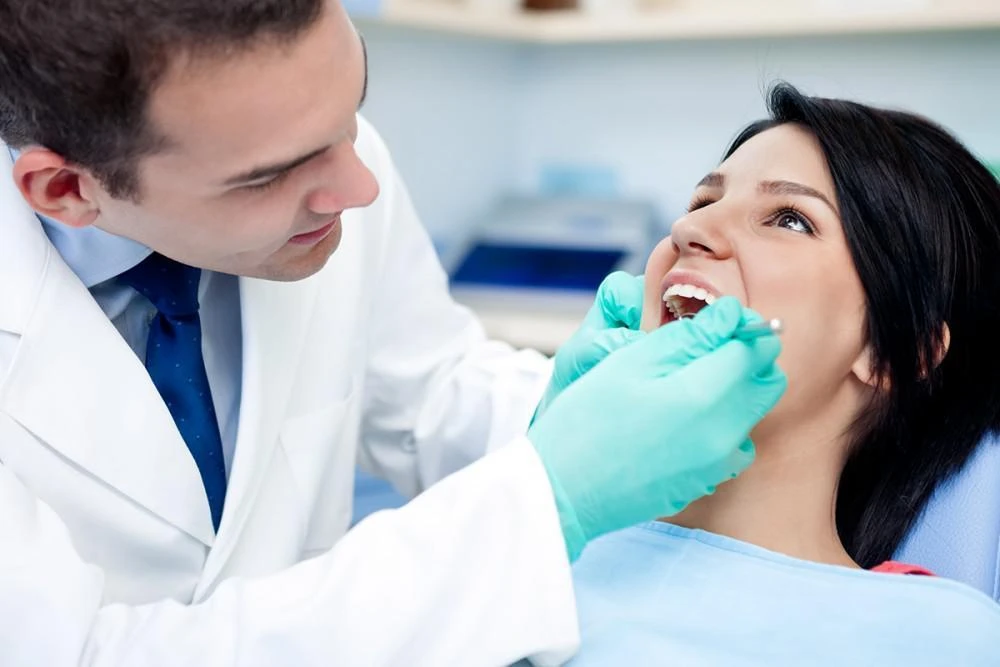
Good dental hygiene goes a long way, but you’re bound to miss a spot. Regular cleanings polish away stubborn plaque and monitor your teeth for potential issues.
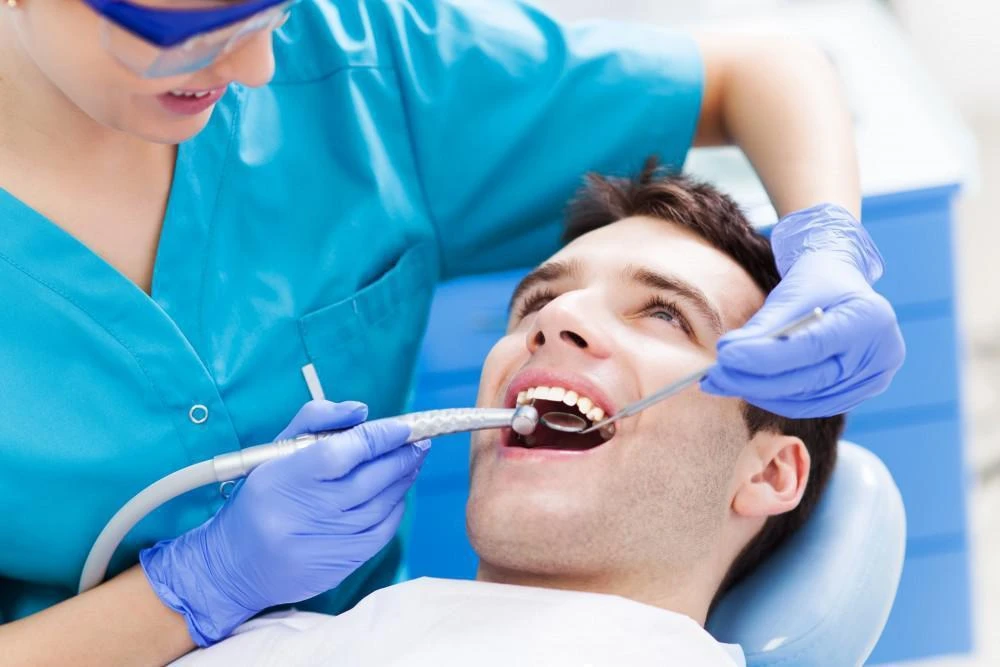
Bleeding or receding gums, as well as loose teeth, are signs of gum disease, also called periodontitis, in which case your first line of attack should be a deep dental cleaning. Read on to learn more.