
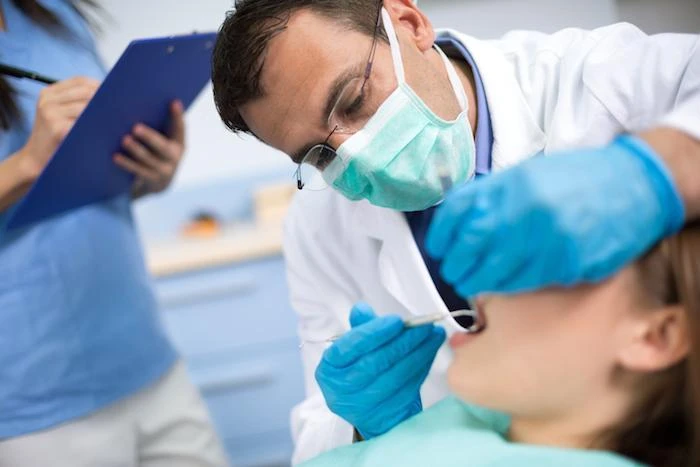
Any injury to your mouth or teeth can feel like a crisis situation. There might be a lot of pain or blood, and panic can quickly set in. What should you do in a dental emergency?
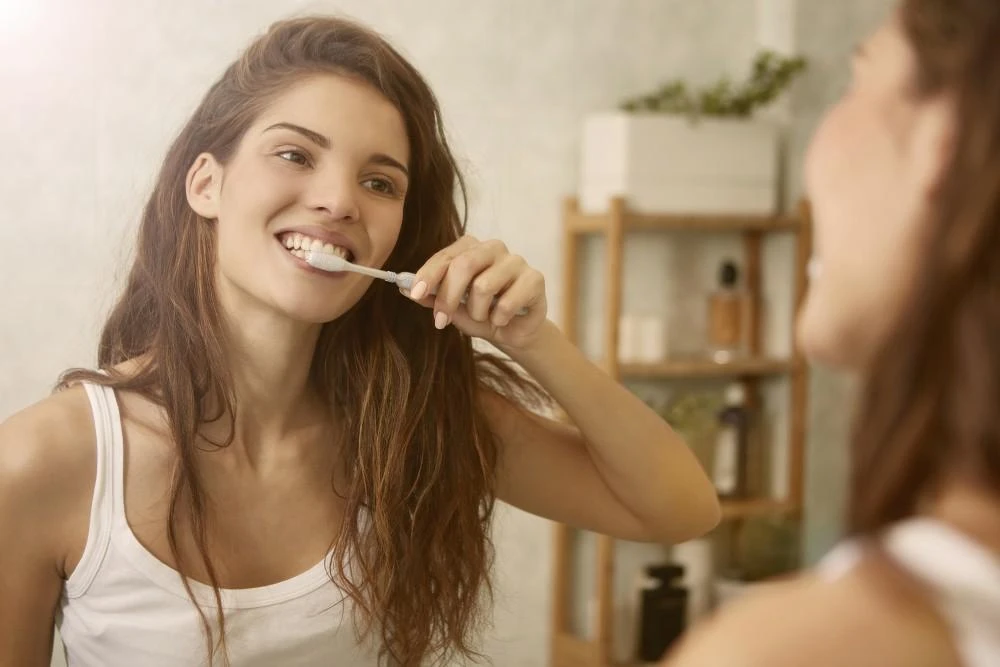
Are you taking proper care of your teeth at home? Research shows that one out of five Americans may have gone two whole days without brushing their teeth, and the same percentage never bother to floss at all.
At Margaret Culotta-Norton, DDS, PC, in Washington, DC, regular checkups and dental cleanings together constitute one cornerstone of good dental health, and a robust at-home oral hygiene regimen is the other. Here are Dr. Culotta-Norton’s tips for at-home care of your teeth and gums.
Your at-home oral health routine should be an ingrained habit, so you follow all the steps without even thinking about it.
Using an egg timer set to 2 minutes is a great way to help you brush your teeth sufficiently. Brush every side of every tooth, using a circular motion that overlaps your gums, and don't forget to brush your tongue. Rinse your toothbrush off thoroughly when you are done, and cover the head to avoid contamination. Remember to brush for two minutes twice a day!
Dr. Culotta-Norton advocates for brushing with an ADA accepted electric brush. If you don't have an electric brush then a soft bristle brush is recommended. A stiff-bristled toothbrush can irritate your gums. It’s important to concentrate on being through rather than harsh with your brushing.
“Extra whitening” or "sensitive gums" toothpastes are all good and well, but fluoride is the ingredient you should be looking for in the toothpaste aisle. Fluoride can help prevent cavities and keep your teeth safe.
Floss gently and fastidiously, angling the floss back and forth to attack every edge between your teeth. Press down gently against the gums, to prevent plaque buildup along the gumline, but don't "saw."
After you brush and floss, swish and spit. This helps to rinse out any lingering specks of food dislodged by brushing and flossing, and neutralizes bacteria that can cause bad breath.
Consider packing a toothbrush, toothpaste, floss, and mouthwash for when you are away from home. By doing all or part of your oral hygiene routine after a meal out, you can help stave off bacteria.
It's OK to drink juice, milk, soda, wine, and other beverages in moderation. Follow up with a glass of water to help rinse your teeth and prevent sugars from causing tooth decay. Restrict yourself to water after your night-time oral routine, or follow a stomach-calming sip of milk or antacid liquid with water to rinse your mouth.
You should be seeing your dentist at least once a year, preferably twice, for a routine exam and cleaning. Dr. Culotta-Norton will check your mouth, gums, and teeth, and let you know if you are overlooking any spots or need to adjust your brushing or flossing technique.
Has it been more than six months since your last dental appointment? Call our office at or request an appointment online today.
You Might Also Enjoy...
Any injury to your mouth or teeth can feel like a crisis situation. There might be a lot of pain or blood, and panic can quickly set in. What should you do in a dental emergency?
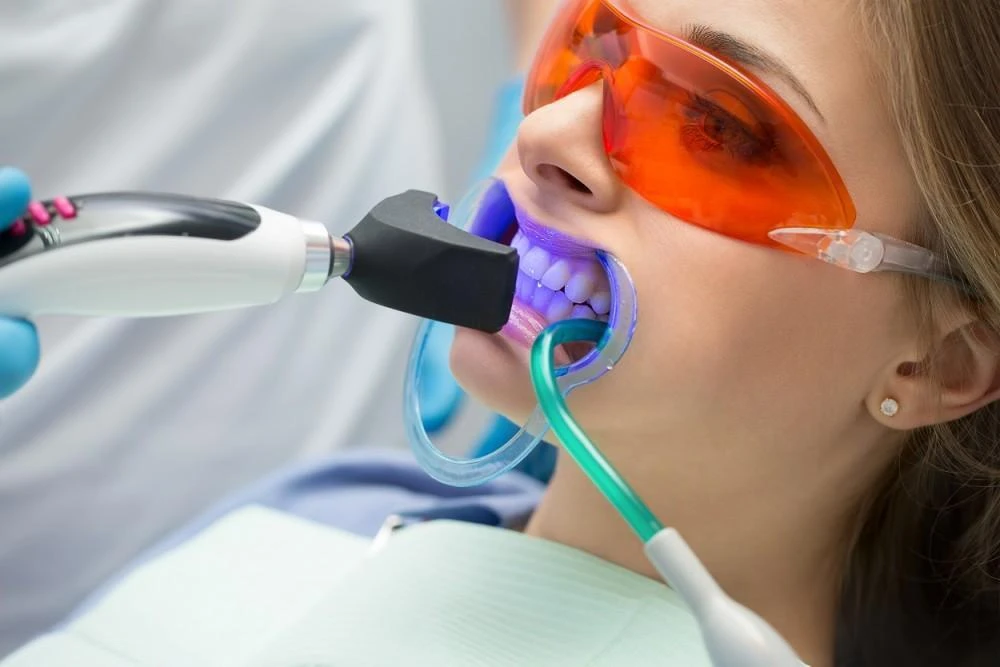
Unhappy with the shade of your smile? Store-bought whitening products not doing the trick? Here’s what you need to know about professional teeth whitening.
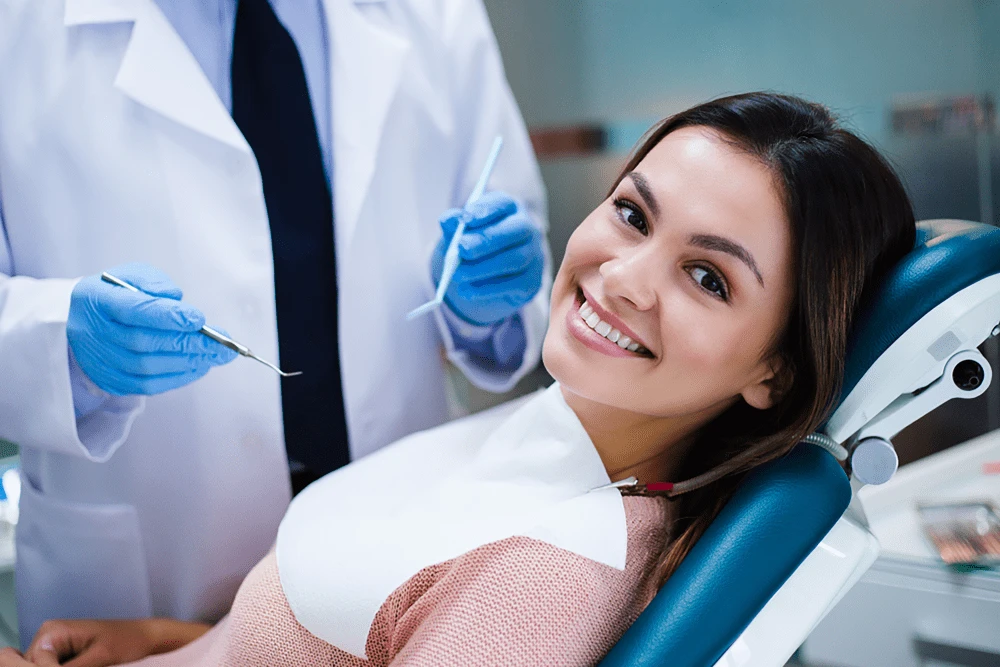
Brushing and flossing are the best way to keep your teeth healthy, but professional cleanings are necessary too. Here’s why you shouldn’t skip your routine visit to the dentist.
Sleep apnea has more to do with your mouth than you think. Here’s how a dentist can help you find a solution for your poor sleep and relieve the annoyance of sleep apnea.
Most people know the importance of keeping your teeth clean, but maintaining healthy gums is also a massive factor in good oral hygiene and can impact your entire body’s well-being.
If you’ve lost a tooth, dentures and implants aren’t your only replacement options. Here’s when to consider choosing a dental bridge instead as a way to restore your confidence and your smile.